

You stopped taking birth control because you wanted your body back. Maybe you wanted to see what your natural cycle felt like, or you were ready to try for a baby, or you were just tired of synthetic hormones making decisions for you.
And then... nothing happened. Or worse, everything happened. Acne you haven't seen since high school. Mood swings that make PMS look like a gentle suggestion. A period that either won't show up or won't stop showing up.
Welcome to post-birth control syndrome! The thing your doctor probably didn't warn you about when they handed you that first prescription.
Here's what's actually happening in your body, why it's happening, and what you can do about it.
What is Post-Birth Control Syndrome?
Post-birth control syndrome (PBCS) is the cluster of symptoms that can show up after you stop taking hormonal birth control. It's not an official medical diagnosis, which is part of why so many doctors dismiss it. But if you're living it, you know it's real.
PBCS happens because hormonal birth control suppresses your natural hormone production. When you stop taking it, your body has to figure out how to make its own hormones again. For some women, that transition is smooth. For others, it's a mess.
The symptoms can range from annoying to genuinely disruptive. And they can last anywhere from a few months to a couple of years if left unaddressed.
Common Symptoms of Post-Birth Control Syndrome
Not everyone experiences all of these, but here's what can happen:
Missing or irregular periods
Your period might not come back for months (this is called post-pill amenorrhea). Or it might come back but be completely unpredictable. Or it might be much heavier or lighter than it was before.
Acne
Post-pill acne is one of the most common (and most frustrating) symptoms. It often shows up along the jawline and chin, and it can be worse than the acne you had before you went on the pill in the first place.
Mood changes
Anxiety, depression, irritability, mood swings. Your emotional regulation might feel completely off. Some women say they feel like themselves again after stopping the pill. Others say they feel worse.
Weight changes
You might lose weight, gain weight, or find that your body composition shifts even if the scale stays the same. This is often related to changes in water retention, appetite, and how your body processes insulin.
Hair loss or changes
Thinning hair, hair loss, or sudden hair growth in unwanted places (hirsutism). Both are related to the androgen rebound that can happen when you stop suppressing your natural hormones.
Digestive issues
Bloating, constipation, changes in gut health. Birth control affects your gut microbiome, and coming off it can temporarily disrupt digestion.
Low libido
For some women, libido comes roaring back after stopping the pill (do you feel the irony?). For others, it stays suppressed for months (or longer) while the body recalibrates.
Why This Happens
Hormonal birth control works by shutting down your natural hormone production. It tells your brain to stop signaling your ovaries, so you don't ovulate and you don't make your own estrogen and progesterone.
When you stop taking it, your body has to restart that entire system. For some women, that happens quickly. For others, it takes time. And in the meantime, your hormones can be all over the place.
A few specific things that contribute to PBCS:
Nutrient depletion
Birth control depletes key nutrients like B vitamins, magnesium, zinc, and vitamin E. All of these are essential for hormone production. If you're coming off the pill already depleted, your body doesn't have the raw materials it needs to make hormones efficiently.
Androgen rebound
Birth control suppresses androgens (like testosterone). When you stop taking it, androgen levels can temporarily spike before they settle. This is what causes post-pill acne and hirsutism.
Gut microbiome disruption
Birth control affects the gut, and the gut affects hormones. If your microbiome is out of balance, you might struggle with estrogen metabolism, inflammation, and mood regulation.
Hypothalamic suppression
In some cases, the hypothalamus (the part of the brain that controls your hormones) takes a while to wake back up. This is especially common if you were under-eating, over-exercising, or under significant stress while on birth control.
How Long Does It Last?
This is the question everyone wants answered, and unfortunately, there's no universal timeline.
Some women see their natural cycle return within 1-3 months and feel completely fine. Others take 6-12 months (or longer) to fully regulate. It depends on how long you were on birth control, what type you were on, and what your hormone health was like before you started.
The good news? You can speed up recovery by actively supporting your body through the transition. You don't just have to wait it out.
How To Support Your Body After Stopping Birth Control
1. Replenish depleted nutrients
Focus on nutrient-dense foods and consider supplementing with a high-quality B-complex, magnesium, zinc, and omega-3s. These are the building blocks your body needs to produce hormones.
2. Support your liver
Your liver is responsible for metabolizing hormones, including the synthetic ones you were taking. Support it with cruciferous vegetables (broccoli, Brussels sprouts, cauliflower), plenty of water, and reducing alcohol intake.
3. Eat enough food
If you're restricting calories, your body won't have the energy it needs to restart hormone production. Make sure you're eating regular meals with plenty of protein, healthy fats, and carbs.
4. Manage blood sugar
Blood sugar swings can worsen hormonal symptoms. Eat balanced meals with protein, fat, and fiber. Avoid long gaps between eating.
5. Address stress
High cortisol suppresses reproductive hormones. If you're chronically stressed, your body will prioritize survival over ovulation. Prioritize sleep, nervous system regulation, and actual rest.
6. Give it time (but not endless time)
If your period hasn't returned after 3-6 months, or if your symptoms are severe, don't just wait it out. Work with a practitioner who understands hormone health and can help you address the root cause.
When to Get Help
You don't have to tough this out alone. Consider working with a coach or practitioner if:
Your period hasn't returned after 3+ months
Your symptoms are interfering with your daily life
You're trying to conceive and want to optimize your fertility
You're feeling lost and don't know where to start
You want personalized support tailored to your body and history
I work with women coming off birth control every day. My 6-month coaching program is designed to help you restore your cycle, understand your body, and feel like yourself again without the guesswork.
Want to talk about what's possible for you? Book a free discovery call.
Curious what’s driving your symptoms? Take the free 2-minute Untangle Your Hormones quiz to find your personalized pattern, and a clear next step to start feeling like yourself again.
If you liked this post, you may also like:
→ 11 Signs of Hormonal Imbalance in Women
→ Why Eating More Might Be the Key to Getting Your Period Back
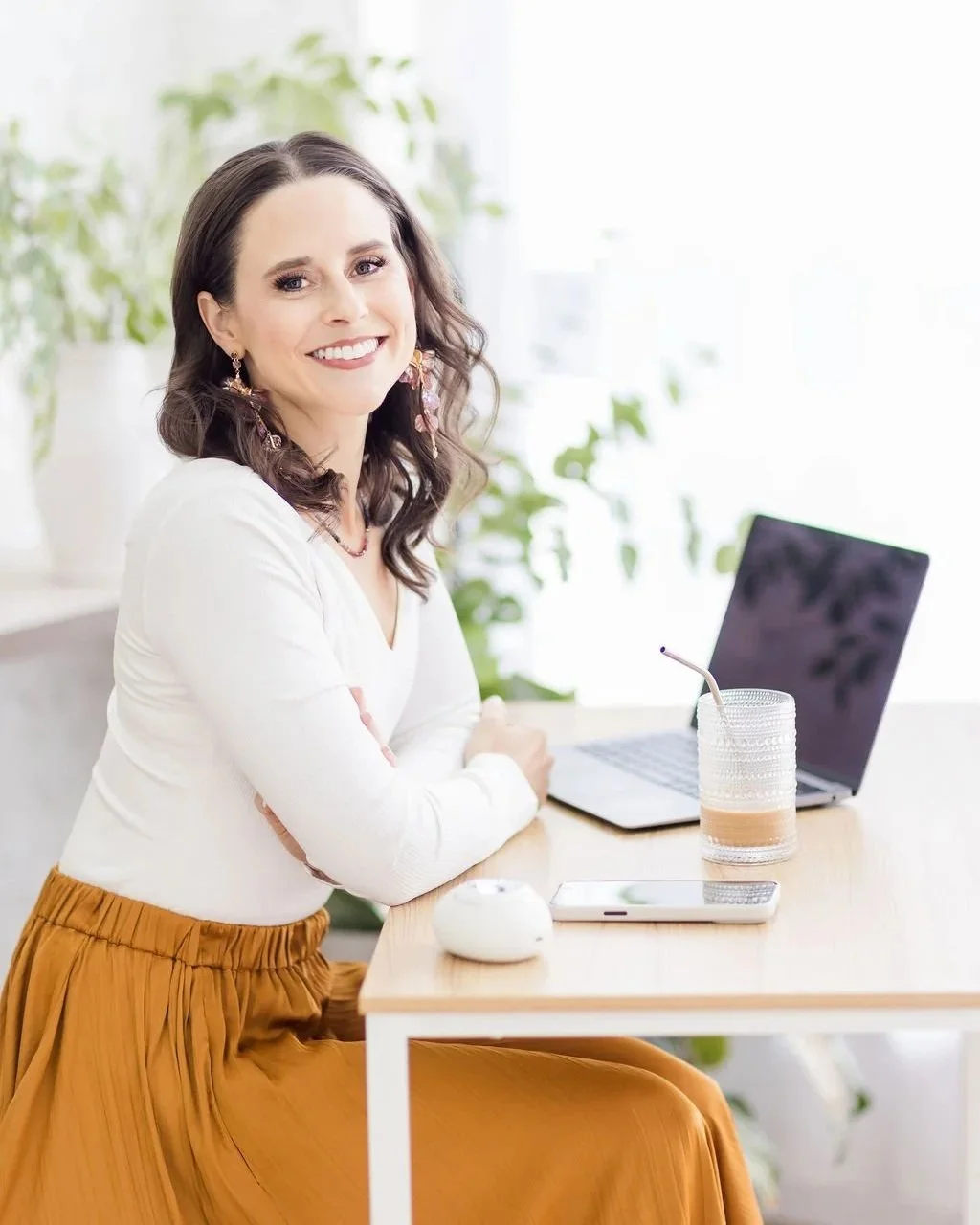
About the Author
Hi, I’m Sam.
I help women whose hormones have been disrupted by stress or birth control reclaim rhythm and trust in their bodies. With lived experience, deep training, and a non-restrictive, nervous-system-friendly approach, I guide you to restore hormonal balance without control or restriction.

Perimenopause weight gain isn't a willpower problem. Here's why fasting can backfire and what really helps you feel strong, steady, and at home in your body.